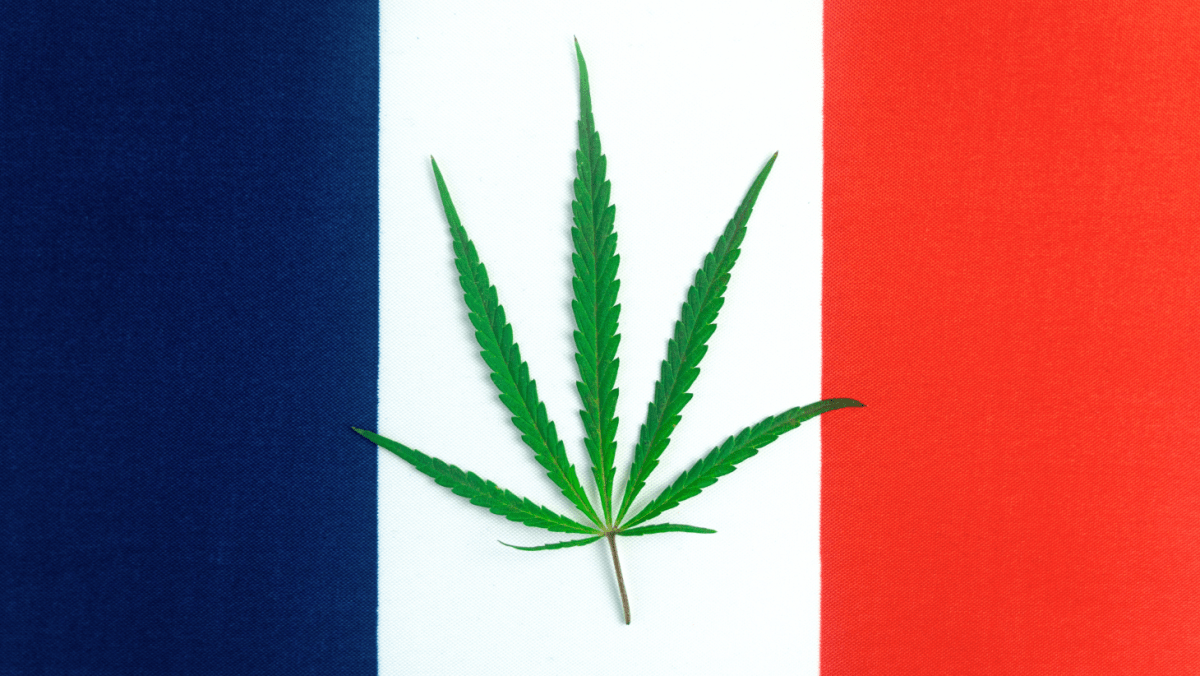

Paris, France: While the United States Supreme Court reviews landmark challenges regarding the rights of cannabis consumers and Germany establishes a robust framework for legal adult-use, France has taken a dark, regressive turn. The French approach serves as a significant case study of the consequences of maintaining strict prohibitionist policies amid a shifting global landscape. Despite early signs of reform, recent executive decisions have led to increased friction between the state and millions of cannabis consumers.
The high cost of prohibition
In late 2025, the French government escalated its offensive against users by increasing the Fixed Narcotics Fine (AFD) from €200 to €500. While framed as a deterrent, advocates argue the measures disproportionately impact lower-income citizens and marginalized communities, turning a minor administrative offense into a life-altering financial burden.
The tragic death of El Hacen Diarra, a 35-year-old worker, has become a rallying cry for reform. Diarra died in police custody in January 2026 following a violent intervention initiated over the presumed possession of a single joint. Eyewitness videos showing him being pinned and tasered highlight a terrifying reality: in France’s high-pressure “performance-based” policing culture, a minor misdemeanor can escalate into a fatal encounter. For marginalized communities, the struggle for reform is no longer just about civil liberties—it is a matter of basic physical safety.
The future of medical access
For North American patients who view cannabis as a basic healthcare right, the French situation is a nightmare. After a promising pilot program launched in 2021, the government has effectively sabotaged its own experiment through administrative neglect.
Since March 2024, no new patients have been allowed to enter the program, creating a two-tier system where access to care depends solely on your diagnosis date. Authorities have banned patients from vaporizing flower, forcing them instead to use oils that are often less effective for acute pain management.
Of the overall 3,000 original patients, only 700 remain. Some transplant survivors and patients with severe chronic pain are now seeking assisted suicide (euthanasia) in Belgium, due to the legal void following the the official expiration of the pilot program on March 31, 2026.
Roadside enforcement and the “CBD Trap”
Perhaps the most alarming development is the criminalization of CBD. France maintains a “zero-tolerance” roadside testing policy that does not measure active impairment, but merely the presence of inactive metabolites. Because some CBD products may also contain trace amounts of THC, drivers who use these products may in some cases test positive for THC metabolites.
The case of Xavier P., a small-business owner, has become a national symbol of this overreach. Despite using only legal CBD, he was recently sentenced on appeal to four months of home confinement with an electronic monitor and the loss of his driver’s license.
For many French citizens, particularly in rural regions where public transportation is limited, this policy has turned a legal wellness product into a professional liability. NORML France members report that increased roadside dragnets are creating a climate of uncertainty: for those dependent on a vehicle, a positive test often leads to an immediate license suspension and, consequently, the loss of their livelihood. At the moment, a legislative push seeks to empower city-level municipal police with drug enforcement authority just ahead of the March 2026 nationwide mayoral elections, which cements a trend of escalating repression against simple users.
A billion-euro sinkhole
The financial data surrounding the French model suggests a growing economic imbalance. The state currently spends approximately €1.8 billion annually on drug enforcement, while recovering only a small fraction through fines—a ratio of roughly 18 to 1 in favor of spending.
While police resources remain heavily focused on cannabis—accounting for 95% of administrative fines—the market for illicit stimulants like cocaine has surged by 176% since 2016. This suggests that a focus on cannabis prohibition may inadvertently divert resources away from more pressing public health threats, while failing to disrupt the multibillion-euro illicit marijuana market.
Additional information on cannabis laws in France is available from NORML France.
Related
Medical Disclaimer:
The information provided in these blog posts is intended for general informational and educational purposes only. It is not a substitute for professional medical advice, diagnosis, or treatment. Always seek the advice of your physician or other qualified healthcare provider with any questions you may have regarding a medical condition. The use of any information provided in these blog posts is solely at your own risk. The authors and the website do not recommend or endorse any specific products, treatments, or procedures mentioned. Reliance on any information in these blog posts is solely at your own discretion.