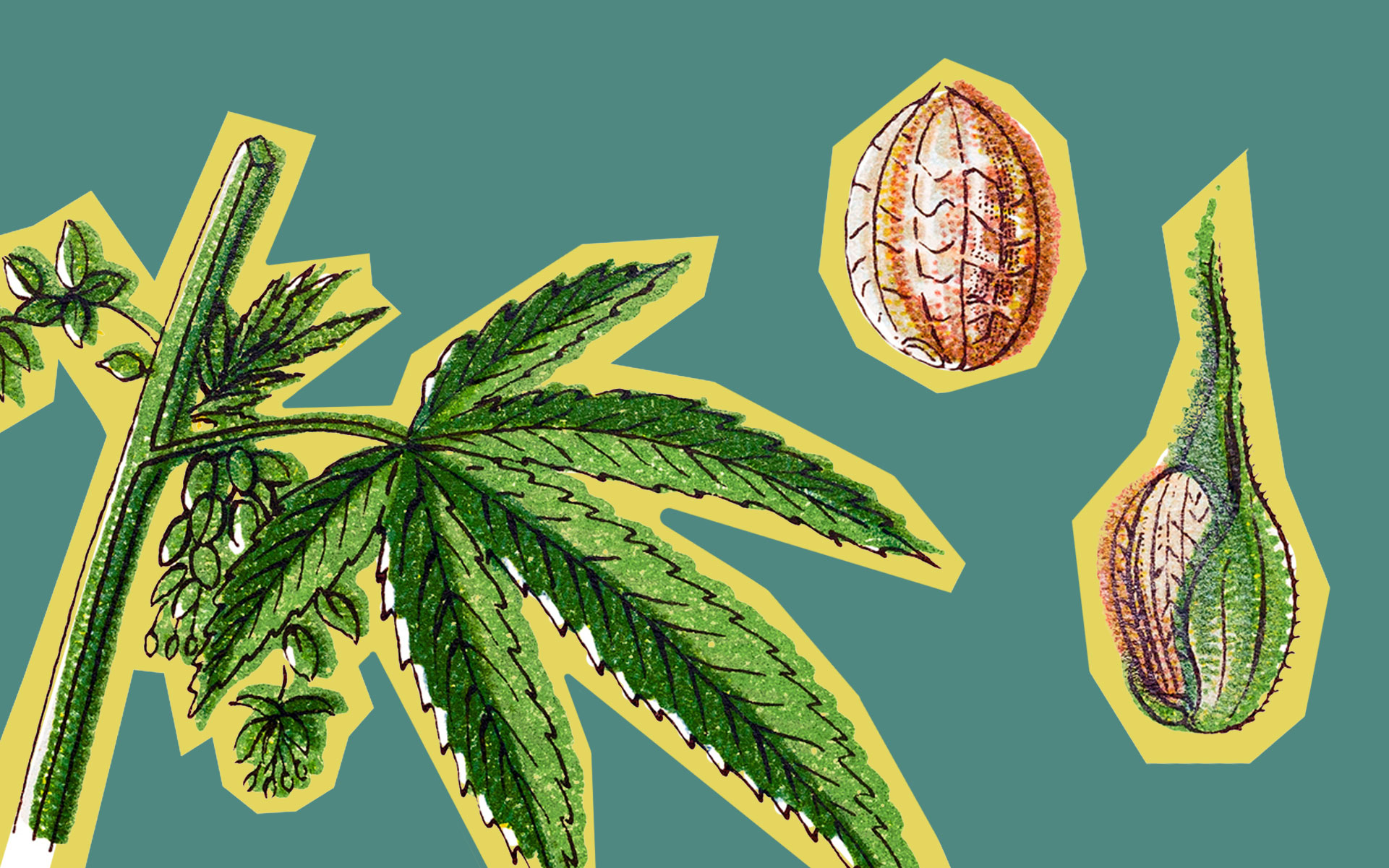
Imagine spending an afternoon researching cannabis and mushroom products after hearing friends discuss the growing interest in natural compounds. You open a few websites, compare product descriptions, and quickly discover that the information can be confusing. Some pages focus on product varieties, others make health claims, and many use terms that are unfamiliar to new readers. Before drawing conclusions, it helps to understand the differences between cannabis and psychedelic mushrooms, how product quality is assessed, and which Canadian laws apply.
Understanding Cannabis Products
Cannabis is a plant that contains cannabinoids, aromatic compounds, and other substances that contribute to its characteristics. Two of the best-known cannabinoids are THC and CBD.
THC is the primary intoxicating compound in cannabis. It can change perception, attention, coordination, and short-term memory. CBD does not typically produce the same intoxicating effects, although it can still cause side effects and interact with certain medications.
Cannabis products come in several forms, including dried flower, oils, capsules, edibles, and extracts. Each type has different properties, and the effects can vary based on its composition and how it is consumed.
Product labels can provide useful information about cannabinoid content, ingredients, and recommended storage. However, consumers should still rely on authorized sources and avoid assuming that every online description is accurate.
Understanding the basics of cannabis chemistry makes it easier to evaluate product information and recognize unsupported claims.
How Are Cannabis and Magic Mushrooms Different?
Cannabis and psychedelic mushrooms are both associated with changing human experiences, but they contain different active compounds and affect the body in different ways.
Cannabis contains cannabinoids such as THC and CBD. THC can produce intoxication and changes in perception, while CBD has a different pharmacological profile.
Certain psychedelic mushrooms contain psilocybin, which the body converts into psilocin. These compounds interact with serotonin receptors and can produce substantial changes in perception, emotions, and thinking.
The risks also differ. Cannabis can impair coordination and judgment, while psilocybin can cause intense psychological effects, confusion, anxiety, and other unwanted reactions.
Neither substance is risk-free, and neither should be assumed to be safe simply because it comes from a natural source.
Understanding these distinctions is particularly important when reading websites that discuss different categories of products under the broader heading of natural or plant-based substances.
What to Know About Shrooms Direct
People researching cannabis products online may encounter a range of websites with different product descriptions, educational resources, and commercial claims. One name readers may come across is shrooms direct.
When evaluating any online cannabis resource, it is important to distinguish the information a website publishes from claims that can be independently verified. A product listing does not, by itself, confirm a product’s contents, quality, safety, or legal status.
Look for clear information about the business, applicable licensing, product labeling, and compliance with Canadian regulations. Be cautious of claims that promise guaranteed effects or medical benefits without reliable supporting evidence.
It is also important to remember that a website’s name or marketing language does not establish that every product it discusses is legal to purchase or possess.
Readers should verify important details through official government sources rather than relying solely on a seller’s descriptions.
What Canadians Should Know About Cannabis Laws
Cannabis has been legal for adult recreational use in Canada under federal law since 2018. However, legalization comes with specific requirements governing production, distribution, sale, possession, and use.
Provinces and territories establish additional rules, including minimum age requirements and details about authorized retail channels.
The general federal public-possession limit for adults is 30 grams of dried cannabis or its equivalent, subject to applicable rules and exceptions. Commercial transactions are governed by separate requirements, and licensed businesses must comply with the rules that apply to their activities.
An online advertisement does not automatically establish that a seller is authorized or that a proposed shipment is lawful.
Psilocybin and psilocin, the active compounds associated with psychedelic mushrooms, remain controlled substances under Canada’s federal drug laws, subject to specific exemptions and authorizations. The legal status of cannabis should not be confused with the status of psychedelic mushrooms.
Anyone researching cannabis or mushroom-related products should consult Health Canada’s official resources and relevant provincial or territorial guidance for current information.
How to Evaluate Cannabis Quality
Several factors can help readers understand what product quality means and why reliable information matters.
Accurate labeling: Product information should clearly identify the contents and provide relevant details about cannabinoids and ingredients.
Regulatory compliance: Canada’s regulated cannabis system includes requirements covering production, testing, packaging, and labeling. Authorized supply channels offer a more reliable basis for evaluating products than unsupported online claims.
Storage and freshness: Exposure to heat, light, air, and moisture can affect cannabis over time. Proper storage can help limit deterioration but cannot correct contamination or uncertain product contents.
Evidence-based claims: Descriptions of strains, cannabinoid levels, and expected effects should be viewed carefully. A particular name or aroma cannot guarantee a specific experience.
Transparent business information: Clear business details and verifiable authorization can help readers assess whether an online source is trustworthy.
These considerations are useful for anyone trying to understand cannabis products in a crowded online marketplace.
Understanding Potential Health Risks
Cannabis affects people differently, and its effects can depend on THC concentration, frequency of use, personal sensitivity, and other substances involved.
Possible unwanted effects include anxiety, dizziness, impaired concentration, a faster heart rate, and difficulty with coordination or short-term memory. High-THC products may increase the risk of adverse psychological effects.
Frequent cannabis use can lead to cannabis use disorder in some people. Adolescents and young adults may face additional concerns because the brain continues developing into early adulthood.
Cannabis can also interact with prescription medications. People who have existing health concerns or take medication should discuss possible risks with a qualified healthcare professional.
For safety, cannabis should be kept away from children and pets, and anyone who is impaired should avoid driving or operating machinery.
These precautions are important reminders that a natural origin does not automatically mean a substance is harmless.
How to Find Reliable Information Online
The internet can be a useful place to learn about cannabis, but it also contains misleading product claims and outdated information.
Start with recognized health organizations, scientific publications, and official government websites. These sources can help explain what is known about cannabis and where evidence remains limited.
Be skeptical of claims that a product guarantees a particular emotional experience or cures a medical condition. Personal testimonials can describe individual experiences, but they do not replace well-designed research.
Check publication dates when researching legal requirements, since rules and official guidance may change. If an online listing makes a claim about licensing or product testing, look for independent ways to verify it.
Taking these steps can help readers separate useful information from promotional language.
Final Thoughts
Cannabis and psychedelic mushrooms are distinct subjects, each with its own compounds, potential effects, health concerns, and legal considerations. Learning about these differences is a useful starting point for anyone interested in natural products or the changing cannabis market.
When researching online sources, focus on reliable evidence, accurate product information, and current Canadian regulations. Avoid treating marketing claims as proof of safety or effectiveness, and consult a qualified professional when health questions arise.
A thoughtful approach helps keep curiosity grounded in facts. Wouldn’t you rather make sense of the science, product claims, and legal requirements before trusting what you read online?
Medical Disclaimer:
The information provided in these blog posts is intended for general informational and educational purposes only. It is not a substitute for professional medical advice, diagnosis, or treatment. Always seek the advice of your physician or other qualified healthcare provider with any questions you may have regarding a medical condition. The use of any information provided in these blog posts is solely at your own risk. The authors and the website do not recommend or endorse any specific products, treatments, or procedures mentioned. Reliance on any information in these blog posts is solely at your own discretion.