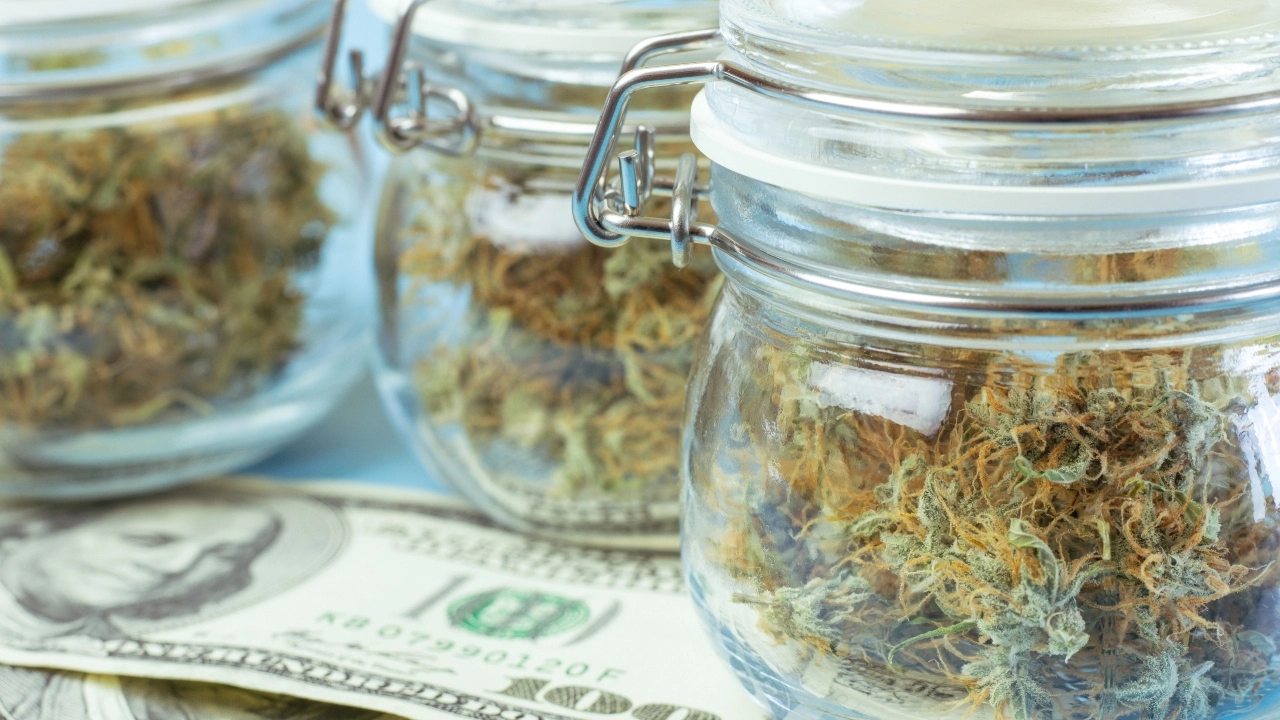
Michigan cannabis retailers sold more products in 2025 than in any year since the launch of adult-use sales.
However, declining prices mean overall sales revenue in the country’s second-biggest market dropped by about $113 million, according to state data.
Cannabis stores reported about $3.17 billion in revenue in 2025, according to the Michigan Cannabis Regulatory Agency.
Michigan is still the second-largest adult-use marijuana market in the country, behind only California.
How much cannabis was sold in Michigan in 2025?
And Michigan cannabis retailers sold nearly 260,000 more pounds of marijuana flower last year than they did in 2024, according to the CRA.
But by December, the average price for an ounce of flower was $58.22 – 16% lower than a year earlier. Prices for vaping products feel by nearly 20% during the same period.
Price compression led to retail closures. There were 838 Michigan marijuana stores open for business in 2025, down from 848 in 2024.
Along with oversupply, some industry leaders say license saturation is hurting operators’ bottom lines, with some asking for license caps to help stabilize prices.
What’s the best way to fix the Michigan marijuana industry?
Robin Schneider of the Michigan Cannabis Industry Association told MLive.com too many licenses have forced prices down and put pressure on all parts of the supply chain.
Michigan allows municipalities to determine whether cannabis businesses can operate in their jurisdictions and how many licenses they will issue.
“Unlimited cultivation licenses have created oversupply, causing wholesale prices to plummet, financially harming businesses all the way down the supply chain,” she said at an October state Senate Regulatory Affairs Committee hearing on cap legislation.
Another change is a new 24% tax on cannabis wholesalers, which started this month. Some worry this will lead to more business closures and layoffs in an industry that supports around 47,000 jobs.
Higher taxes also could send customers back to the illegal market.
Medical Disclaimer:
The information provided in these blog posts is intended for general informational and educational purposes only. It is not a substitute for professional medical advice, diagnosis, or treatment. Always seek the advice of your physician or other qualified healthcare provider with any questions you may have regarding a medical condition. The use of any information provided in these blog posts is solely at your own risk. The authors and the website do not recommend or endorse any specific products, treatments, or procedures mentioned. Reliance on any information in these blog posts is solely at your own discretion.