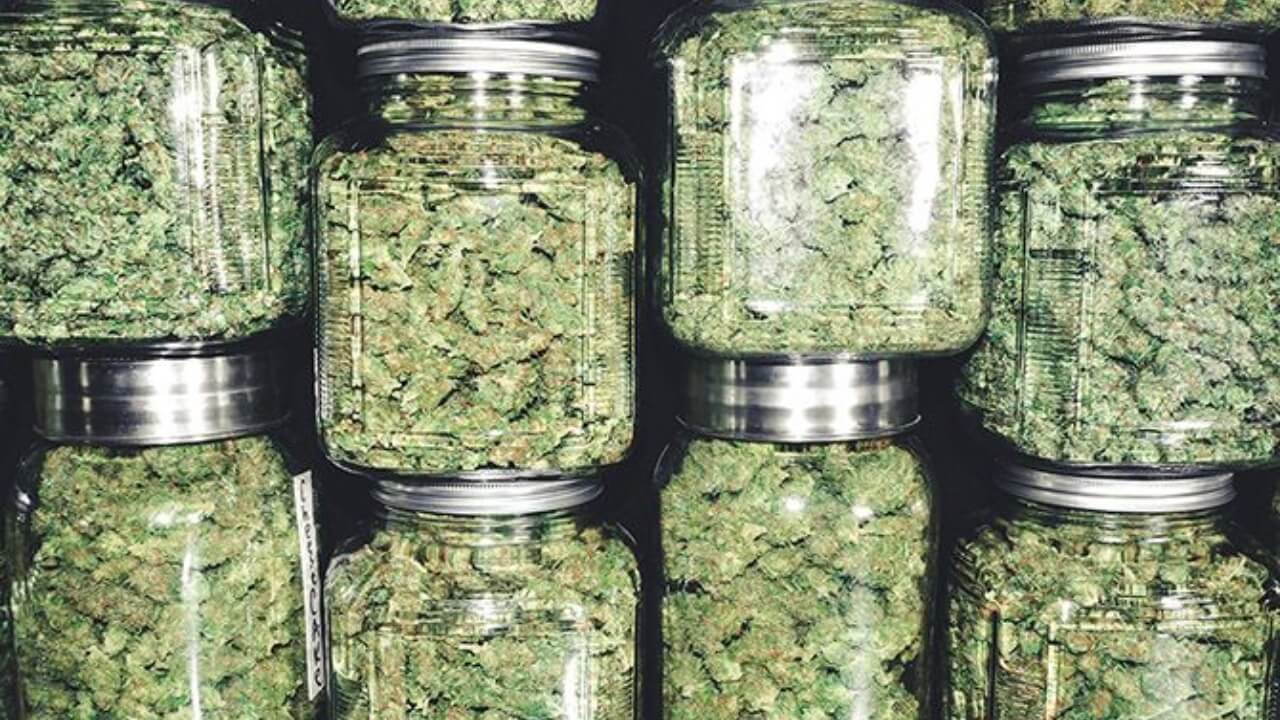
A Saturday afternoon with friends turns into a conversation about cannabis. Someone mentions a strain they recently heard about, another talks about different product formats, and a third wonders why cannabis menus have become so varied. You listen, curious but unsure where to start. The conversation soon moves from familiar flower varieties to concentrates, edibles, and new ways of learning about cannabis. It’s a reminder that cannabis culture keeps people talking, but understanding the products behind the conversation can make that interest far more rewarding.
How Cannabis Culture Has Changed
Cannabis culture has changed significantly over the years. What was once discussed mainly through personal experience and word of mouth is now covered by educational websites, podcasts, product reviews, and online communities.
Legal changes have also influenced the conversation. Some states and countries permit cannabis sales under specific rules, while others continue to restrict possession and use. These differences affect which products are available, how they are labeled, and what information sellers must provide.
As interest grows, consumers have more opportunities to learn about cannabis cultivation, cannabinoids, product quality, and responsible use.
However, more information doesn’t always mean better information. Social media posts and product reviews can be useful starting points, but personal opinions aren’t the same as scientific evidence. Learning to separate facts from marketing claims is an important part of understanding modern cannabis culture.
Understanding What Goes Into Cannabis Products
Cannabis contains many chemical compounds, including cannabinoids and terpenes. These compounds help explain why products can differ in composition, aroma, and effects.
Cannabinoids and Their Roles
THC, or tetrahydrocannabinol, is the main intoxicating compound in cannabis. It can change perception, mood, coordination, memory, and reaction time.
CBD, or cannabidiol, is another well-known cannabinoid. It does not produce the same intoxicating effects as THC, although it can interact with certain medications.
The amount of each cannabinoid varies by product. Two items with similar names may have very different cannabinoid profiles, so checking the label is more useful than relying on the name alone.
Why Terpenes Matter
Terpenes are aromatic compounds found in many plants, including citrus fruits, herbs, and cannabis. They contribute to familiar scents such as citrus, pine, and floral notes.
Cannabis products may list terpenes such as limonene, pinene, and myrcene. These names can help describe an item’s aroma, but they don’t guarantee a particular experience.
Research into how cannabinoids and terpenes interact is ongoing. Be cautious about claims that a specific terpene will reliably produce a certain mood or health outcome.
Exploring Different Cannabis Product Formats
Modern cannabis menus can include several types of products, each with different characteristics.
Flower: This refers to the harvested buds of the cannabis plant. Product descriptions may include strain names, THC levels, and terpene information.
Concentrates: These products contain concentrated cannabis compounds. Examples include wax, shatter, rosin, and live resin. Some concentrates have very high THC levels, which can increase the risk of unwanted effects.
Edibles: Gummies, chocolates, and beverages are examples of cannabis-infused foods and drinks. Their effects can take longer to appear than those of inhaled cannabis and may last much longer.
Topicals: These products are applied to the skin. Their ingredients and intended uses vary, and claims about their benefits should be evaluated carefully.
Knowing these differences makes it easier to understand product descriptions and identify important questions about potency, ingredients, and safety.
What to Look for When Browsing Cannabis Online
Online catalogues have become a common way to explore product categories and compare descriptions. A few simple checks can help you assess the information provided.
First, review the product label. Look for THC and CBD content, ingredients, batch identification, and relevant testing information.
Next, consider product quality. Cannabis can lose quality through exposure to heat, light, and air. For regulated products, laboratory reports may provide information about potency and screening for contaminants.
Also, check the seller’s business details and applicable licensing. A professional-looking website does not automatically establish product quality or legal compliance.
For example, the West Coast Bud shop catalogue provides a place to explore cannabis-related product listings. When reviewing any retailer’s catalogue, focus on the details provided for individual products rather than assuming that all listings offer the same level of information.
Before making a purchase, verify current availability, age requirements, shipping restrictions, and local laws. Rules differ between locations, and a product listed online may not be legally available to every visitor.
Separating Cannabis Myths From Facts
Cannabis discussions often include claims that sound convincing but lack strong evidence. Knowing how to question these claims can help you make better-informed decisions.
One common misconception is that indica products always cause relaxation while sativa products always produce energy. These labels are widely used, but they don’t reliably predict how an individual product will affect someone. Cannabinoid content, other plant compounds, and personal biology all matter.
Another misconception is that a higher THC percentage automatically means a better product. Higher potency can increase the risk of anxiety, confusion, impaired coordination, and other unwanted effects. Quality also involves accurate labeling, appropriate testing, and proper storage.
Finally, natural doesn’t automatically mean harmless. Cannabis can affect mental and physical functioning, interact with medications, and carry risks that vary by person.
For evidence-based information, the Centers for Disease Control and Prevention explains potential cannabis health effects and risks.
Making Responsible Choices Part of Cannabis Culture
Responsible cannabis education should be part of the conversation, regardless of someone’s experience level.
THC can impair judgment, attention, memory, and coordination. Never drive or operate machinery while impaired, and avoid combining cannabis with alcohol or other intoxicating substances.
Store products securely away from children and pets. Edibles require particular care because they may resemble ordinary snacks. Their delayed effects can also lead people to consume more before noticing the initial effects.
People who are pregnant, breastfeeding, taking medication, or managing health conditions should consult a qualified healthcare professional about potential risks. Cannabis products should not replace proven medical treatment without professional guidance.
Understanding the risks doesn’t require losing interest in cannabis culture. Instead, it makes discussions more informed and encourages people to question unsupported claims.
Conclusion
Modern cannabis culture includes far more than strain names and product trends. It brings together cultivation, chemistry, changing laws, consumer education, and conversations about responsible use. Learning how cannabinoids, terpenes, and product formats differ can help you understand the information behind the labels.
Whether you’re exploring an online catalogue or joining a conversation with friends, reliable information is a better guide than hype. What would you most like to learn about the products and science shaping today’s cannabis culture?
Medical Disclaimer:
The information provided in these blog posts is intended for general informational and educational purposes only. It is not a substitute for professional medical advice, diagnosis, or treatment. Always seek the advice of your physician or other qualified healthcare provider with any questions you may have regarding a medical condition. The use of any information provided in these blog posts is solely at your own risk. The authors and the website do not recommend or endorse any specific products, treatments, or procedures mentioned. Reliance on any information in these blog posts is solely at your own discretion.