Maine election officials have approved a ballot initiative that, if passed, would eliminate the state’s roughly $250 million adult-use cannabis industry and impose strict new testing standards on medical cannabis to begin collecting signatures.
It’s the second ongoing citizen campaign to cancel a legal cannabis industry in New England.
A similar effort in Massachusetts recently claimed to have collected enough signatures to advance past an initial stage amid accusations of elections fraud.
Maine medical marijuana would remain but with new rules
The Maine Secretary of State on Dec. 8 approved the Act to Amend the Cannabis Legalization Act and the Maine Medical Use of Cannabis Act to begin collecting signatures.
If it qualifies for the ballot and is approved by a majority vote, Maine’s adult-use cannabis industry would sunset on Jan. 1, 2028.
Existing operators could transition back to medical marijuana, and personal use and possession of up to 2.5 ounces would remain legal, as would medical marijuana.
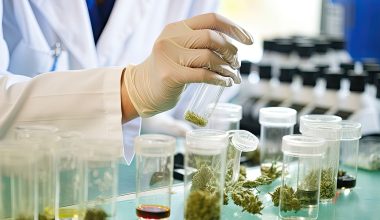
However, it would also require cannabis patients and caregivers to submit their products for testing and comply with track-and-trace requirements.
That’s not currently required in the Maine medical marijuana market.
About 6% of Maine adult-use cannabis that’s tested fails for banned contaminants, according to the Maine Morning Star.
To qualify for the ballot, the petition must collect roughly 68,000 valid signatures from registered voters by early February.
State records indicate Colin Mack of Brunswick as the sponsor. Mack did not respond to a request for comment from the Morning Star.
Maine legal cannabis sales increasing
Annual cannabis sales at the state’s 266 licensed adult-use stores and medical marijuana dispensaries reached nearly $244 million in 2024, according to the state Office of Cannabis Policy.
Annual sales are on pace to slightly exceed that in 2025.
Maine legalized adult-use cannabis in 2016.
Medical Disclaimer:
The information provided in these blog posts is intended for general informational and educational purposes only. It is not a substitute for professional medical advice, diagnosis, or treatment. Always seek the advice of your physician or other qualified healthcare provider with any questions you may have regarding a medical condition. The use of any information provided in these blog posts is solely at your own risk. The authors and the website do not recommend or endorse any specific products, treatments, or procedures mentioned. Reliance on any information in these blog posts is solely at your own discretion.