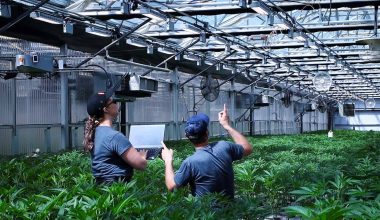
Over the past decade, urban cannabis culture has undergone a profound transformation. What once revolved primarily around chasing raw THC percentages has evolved into a nuanced appreciation for agricultural integrity, terpene preservation, and clean production methods. Modern consumers are no longer satisfied with mass-produced flower grown using heavy chemical inputs. Instead, they are approaching cannabis with the same discernment reserved for fine wine, single-origin coffee, and organic produce.
At the absolute forefront of this movement is Living Soil Organics (LSO)—a traditional, biodynamic cultivation philosophy that prioritizes environmental harmony and the natural synergy between plant and soil.
Understanding Living Soil Organics (LSO)
At its core, Living Soil Organics is an agricultural approach that mirrors nature rather than attempting to bypass it. Traditional commercial indoor cultivation often relies on inert growing mediums such as rockwool or coco coir, feeding plants a strict diet of synthetic chemical nutrients composed of nitrogen, phosphorus, and potassium salts. While this industrial method can force rapid growth and high batch yields, it strips away the biological complexity found in natural soil ecosystems.
In contrast, LSO utilizes a self-sustaining soil matrix built around the principles of the soil food web. The soil is teeming with beneficial microscopic life, including:
- Mycorrhizal Fungi: Form symbiotic networks with plant roots to expand nutrient absorption.
- Beneficial Bacteria & Protozoa: Convert organic matter into bioavailable minerals.
- Earthworms & Compost Microorganisms: Continually aerate the soil and cycle essential organic nutrients.
Rather than flushing liquid chemical fertilizers directly into the root zone, the grower feeds the living soil with organic inputs such as worm castings, kelp meal, composted forest humus, and crushed rock dust. The soil micro-organisms then process these inputs, allowing the plant to absorb exactly what it requires at its own pace. This natural relationship allows the plant to express its full genetic potential without synthetic intervention.
The Consumer Demand for Clean, Chemical-Free Production
The rapid adoption of LSO in craft cannabis culture is driven directly by health-conscious consumers seeking a purer, more authentic experience. When flower is cultivated using synthetic fertilizers, chemical pesticides, or artificial plant growth regulators (PGRs), residual compounds can compromise the final burn. This often manifests as a harsh throat hit, dark lingering ash, and a muted scent profile.
LSO flower provides distinct advantages that make it the preferred choice for discerning enthusiasts:
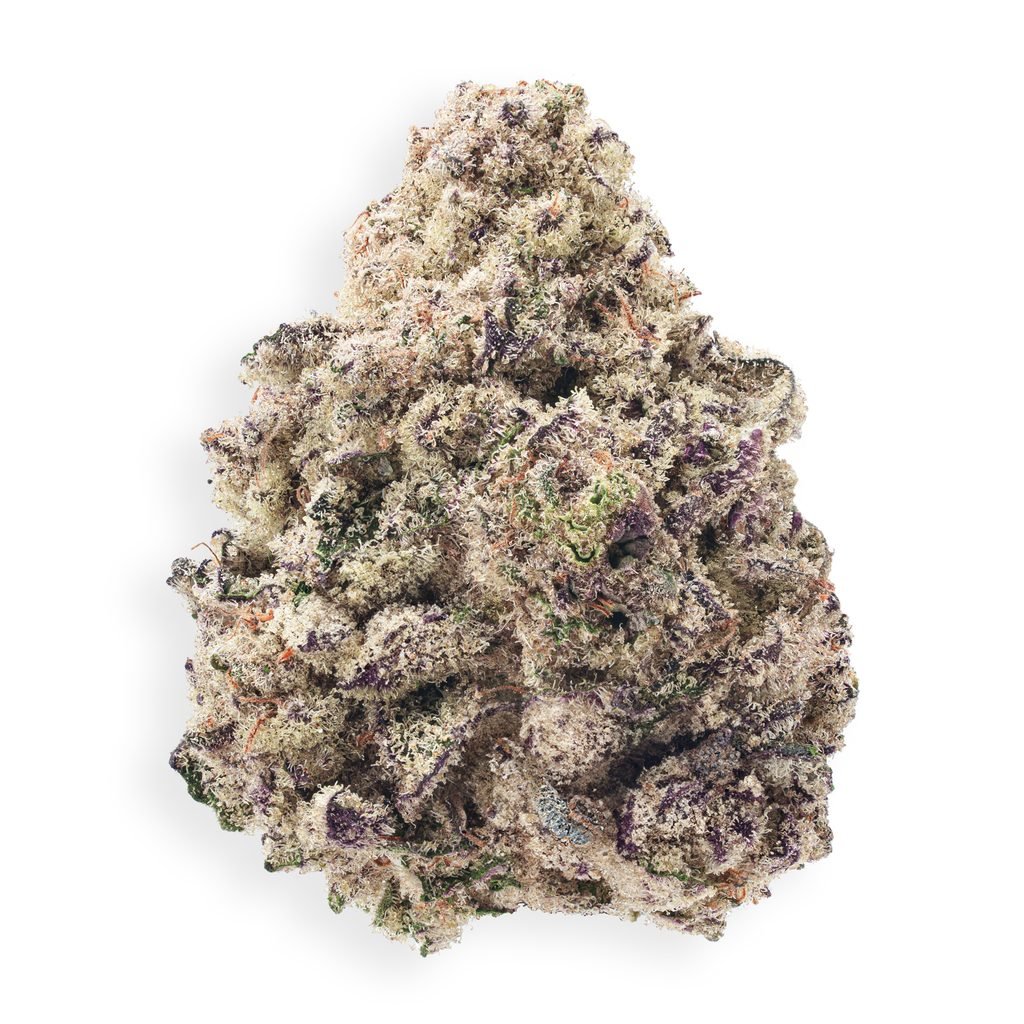
- Richer Terpene Profiles: The complex biological activity in living soil stimulates the plant’s natural immune response, encouraging a higher density of trichomes and volatile aromatic terpenes.
- Smooth Smoke & Clean Burn: Because the plant ingests nutrients naturally rather than being forced to absorb chemical salts, LSO flower typically burns down to a light, clean white ash with an exceptionally smooth draw.
- Chemical-Free Assurance: By eliminating synthetic sprays, heavy metals, and artificial additives, organic living soil farming offers peace of mind to wellness-focused users.
Farm-to-Door Convenience in Urban Markets
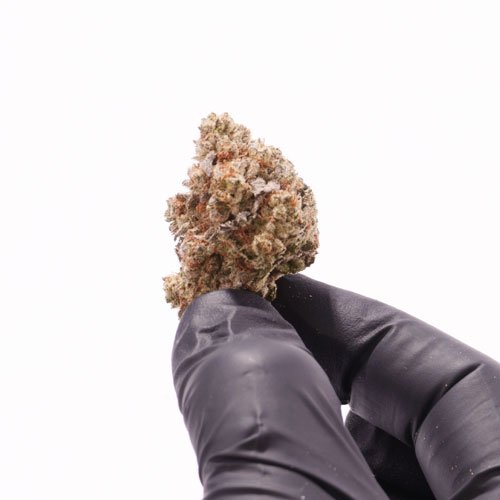
As demand for small-batch, chemical-free flower expands, accessibility has become a focal point for city residents. Sourcing authentic craft cultivars no longer requires navigating impersonal commercial outlets. The expansion of specialized Toronto weed delivery services allows urban consumers to access fresh, micro-batch LSO harvests directly from regional craft producers with same-day convenience.
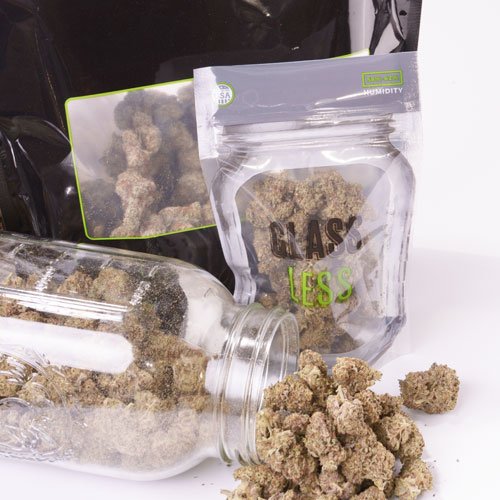
However, acquiring clean, terpene-dense flower is only the first step in enjoying premium craft cannabis. Because LSO flower contains delicate aromatic compounds that give each cultivar its distinct profile and effect, preserving those qualities after purchase is essential. Understanding proper cannabis storage—such as controlling ambient humidity, temperature, and light exposure—ensures that organic trichomes remain protected and the flower maintains its farm-fresh flavor over time.
The Future of Sustainable Cannabis Culture
The movement toward Living Soil Organics is far more than a passing trend; it represents a permanent shift toward conscious, sustainable consumption. As education surrounding soil health, clean cultivation, and terpene chemistry continues to grow, synthetic shortcuts are losing their appeal. By embracing time-honored organic principles alongside seamless urban delivery networks, growers and consumers together are establishing a cleaner, higher standard for craft cannabis.
Medical Disclaimer:
The information provided in these blog posts is intended for general informational and educational purposes only. It is not a substitute for professional medical advice, diagnosis, or treatment. Always seek the advice of your physician or other qualified healthcare provider with any questions you may have regarding a medical condition. The use of any information provided in these blog posts is solely at your own risk. The authors and the website do not recommend or endorse any specific products, treatments, or procedures mentioned. Reliance on any information in these blog posts is solely at your own discretion.