Broadly speaking, hemp THC is still legal in Texas. However, starting Friday, certain hemp-derived cannabinoid products aren’t.
On July 31, new rules reclassifying delta-8 THC and other forms of THC – but not delta-9 THC, the backbone of Texas’ contentious $5.5 billion hemp-derived cannabinoid industry – as controlled substances go into effect, state officials said.
The rule means products containing substances like delta-8 THC, which exists in small amounts in the cannabis plant but can also be created from CBD via a chemical synthesis, can no longer legally be sold at smoke shops and other retailers.
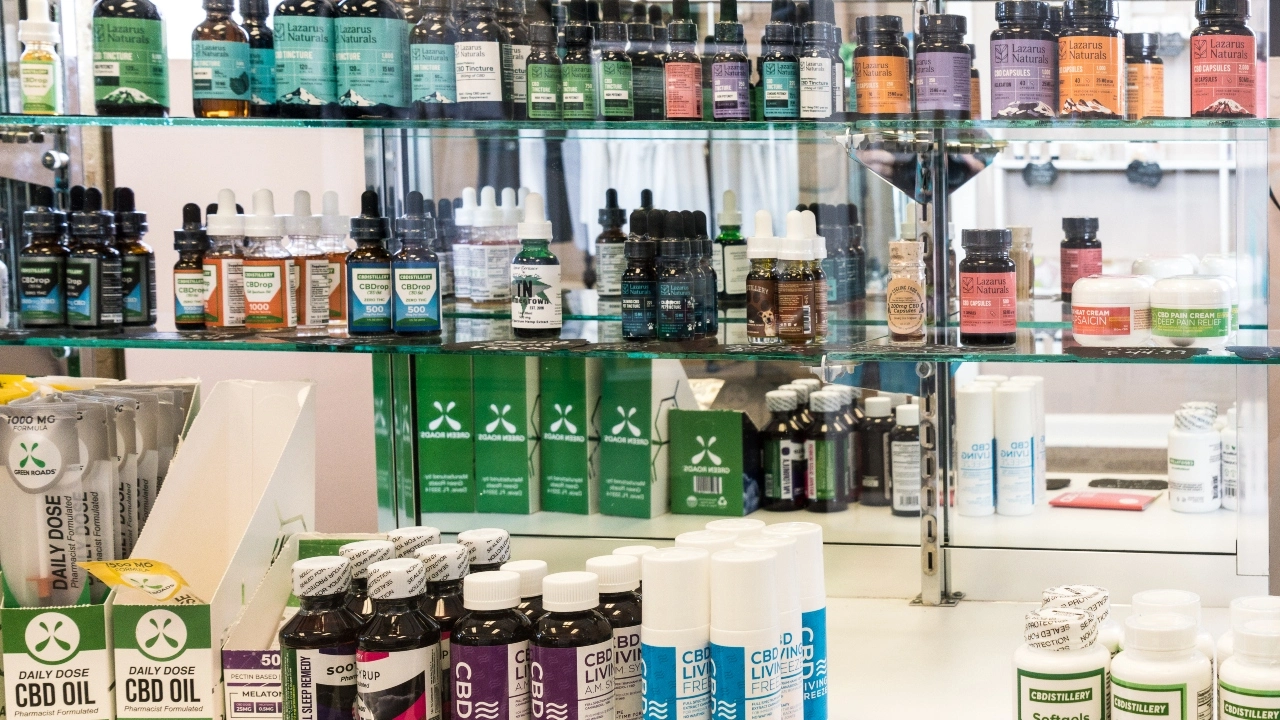
As many as 13,000 businesses across the state have permits to sell hemp products, according to one estimate.
Possession of products containing delta-8 THC, delta-10 THC and other synthetically derived THC analogues will become a felony, police officials told NPR affiliate KUT.
What’s the legal status of hemp-derived cannabinoids in Texas?
The ban’s reinstatement follows the dismissal of a lawsuit filed by Sky Marketing Corp., the parent company of Austin, Texas-based hemp company Hometown Hero.
In 2021, in response to the suit, a county judge ordered hemp-derived THC products removed. The matter wound its way to the state Supreme Court, which ruled against Hometown Hero.
State health officials then moved to reinstate the ban on “tetrahydrocannabinols aside from the presence of delta-9- tetrahydrocannabinol, including isomers and variants which may have pharmacological or psychoactive properties.”
Sales of THCA flower are for now still legal pending the outcome of a trial.
But all that could change if state lawmakers have their way.
Will Texas ban hemp-derived THC products?
After Gov. Greg Abbott vetoed a ban on hemp-derived cannabinoids last year, state health and law enforcement officials imposed new rules raising licensing fees for sellers but still allowing the products.
State Sen. Charles Perry, a Republican who introduced the vetoed 2025 ban, said earlier this month he intends to reintroduce the ban when state lawmakers return to Austin next year.
Subscribe to the MJBiz Factbook
Exclusive industry data and analysis to help you make informed business decisions and avoid costly missteps. All the facts, none of the hype.
What you will get:
- Monthly and quarterly updates, with new data & insights
- Financial forecasts + capital investment trends
- State-by-state guide to regulations, taxes & market opportunities
- Annual survey of cannabis businesses
- Consumer insights
- And more!
Texas’ lack of legal THC access is credited with encouraging the boom in Farm Bill-compliant hemp products. It’s not yet clear what action state officials will take when federal law redefining most hemp-derived cannabinoid products as “marijuana” under federal law goes into effect in November.
In the meantime, Texas’ heretofore modest medical marijuana program is set to greatly expand, with more products available to more patients and with 12 new companies with permits to serve them.
Medical Disclaimer:
The information provided in these blog posts is intended for general informational and educational purposes only. It is not a substitute for professional medical advice, diagnosis, or treatment. Always seek the advice of your physician or other qualified healthcare provider with any questions you may have regarding a medical condition. The use of any information provided in these blog posts is solely at your own risk. The authors and the website do not recommend or endorse any specific products, treatments, or procedures mentioned. Reliance on any information in these blog posts is solely at your own discretion.