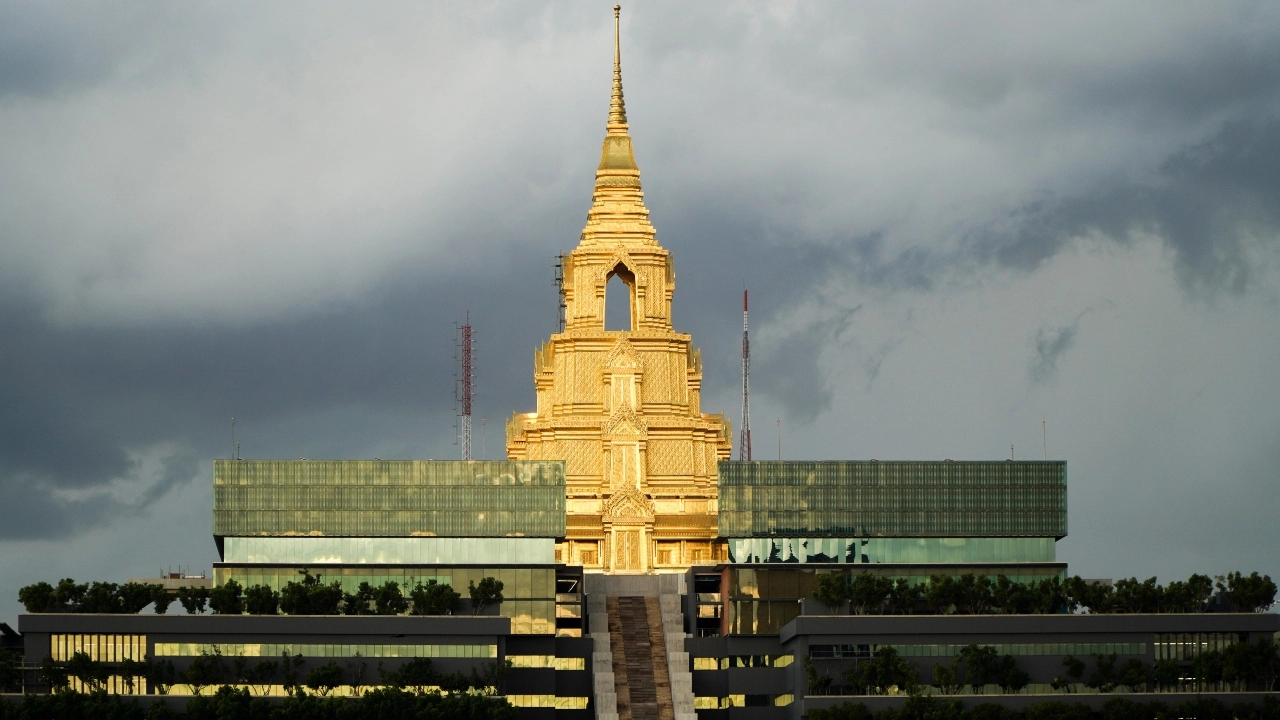
Thailand, where a billion-dollar cannabis industry has blossomed since the country became the first in Asia to experiment with decriminalization in 2022, is poised to make the drug illegal again.
Inspired by a backlash to the thousands of shops that have sprung up around the country – but also the Thai cannabis industry’s failure to deliver on promised potential – all three parties likely to prevail in national elections on Feb. 8 have promised to impose restrictions, Bloomberg News reported.
That’s left cannabis business owners and advocates in Thailand feeling burned, and some of the North American players that have expanded to the region are pondering next steps even as they grapple with unprofitability.
Did Thailand’s cannabis rush fizzle?
Thailand decriminalized cannabis in 2022 thanks largely to then-Health Minister Anutin Charnvirakul, the country’s current prime minister and head of the Bhumjaithai Party.
Anutin pitched decriminalization as a way to boost economic conditions in the country’s poor agricultural regions.
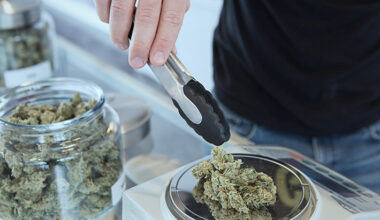
But in the absence of clear rules or consistent enforcement, an estimated 18,000 cannabis sellers sprouted up around the country.
Amid complaints about saturation and appeal to children, a majority of Thai people who responded to a 2024 poll supported reimposing criminalization.
New restrictions came last June, when the Public Health Ministry banned advertising and vending machine sales.
Can a medical-only cannabis industry thrive in Thailand?
Sales are now limited to medical cannabis patients with prescriptions, and producers and sellers must obtain permits.
More rules, such as clear standards for import and export, would be needed to make Thailand a major player in the international market.
A Thai cannabis industry, regulated under a medical model, may persist if Anutin and the Bhumjaitahi Party prevail in the Feb. 8 elections.
According to Bloomberg, a spokesperson for the party claimed that Anutin never intended the drug to be used recreationally.
Recent polls show the People’s Party as the “overwhelming” favorite to take a plurality of seats in parliament, Reuters reported.
Both the People’s Party and Pheu Thai, another leading political party, have indicated they prefer to return cannabis to the country’s list of banned substances.
Interest in cannabis has waned in Thailand
However, cannabis isn’t a leading – or winning – issue for any Thai politician, Nuttanan Wichitaksorn, a visiting research adviser at the Thailand Development Research Institute, told Bloomberg.
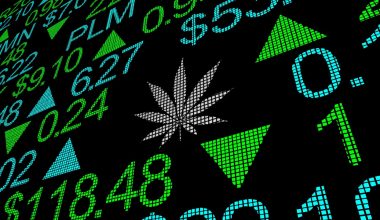
That’s partially because only a quarter of the 177 cannabis companies he surveyed in 2024 were profitable.
“It is not a hot issue anymore,” he told Bloomberg. “Now they see other things that are more exciting and get more votes.”
Medical Disclaimer:
The information provided in these blog posts is intended for general informational and educational purposes only. It is not a substitute for professional medical advice, diagnosis, or treatment. Always seek the advice of your physician or other qualified healthcare provider with any questions you may have regarding a medical condition. The use of any information provided in these blog posts is solely at your own risk. The authors and the website do not recommend or endorse any specific products, treatments, or procedures mentioned. Reliance on any information in these blog posts is solely at your own discretion.