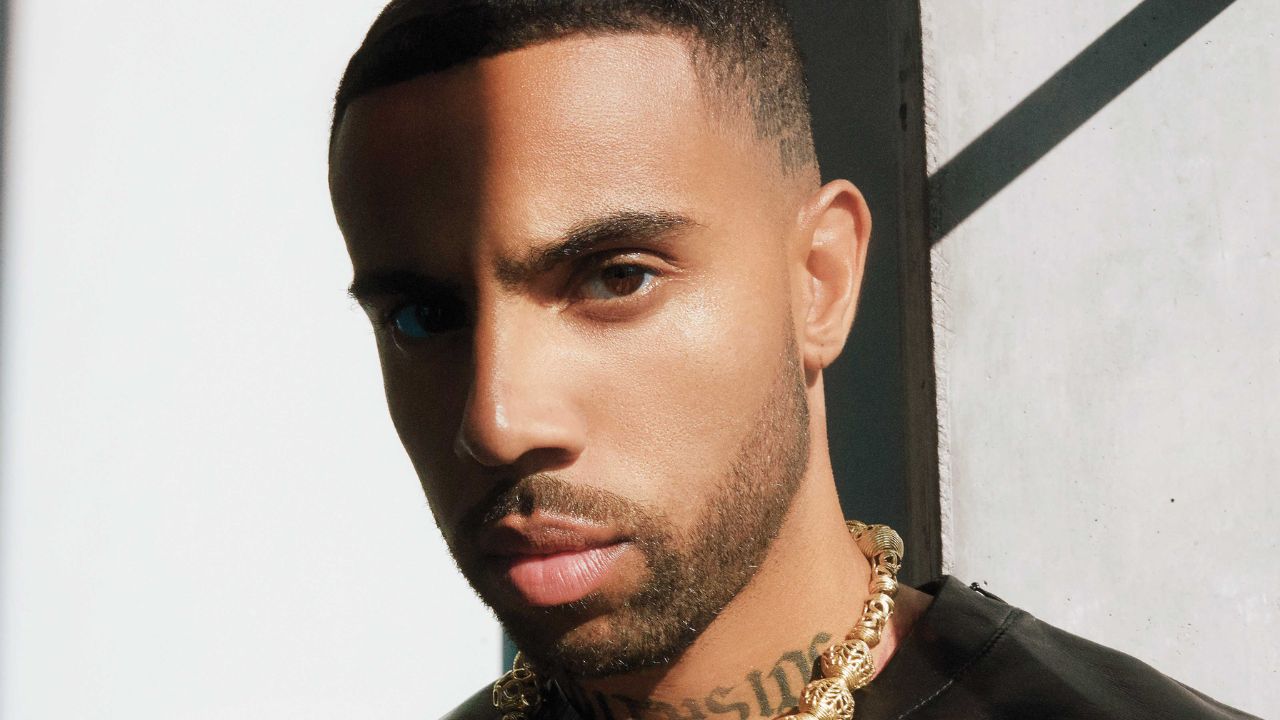

Vic Mensa (Courtesy photo by Roderick Ejuetami)
(This is a contributed guest column. To be considered as an MJBizDaily guest columnist, please submit your request here.)
Culture doesn’t come quietly.
It brings rhythm, memory, and truth. It carries the voices of people who turned nothing into something long before investors and policymakers saw the value in what culture built.
In cannabis, that culture was born from basements, backyards, block parties and studios long before legalization, before stock markets and before branding – before the plant became a profit line.

In Chicago, where I’m from, cannabis and music are intertwined. They weren’t trends – they were language. In hip hop, the cannabis plant represents peace, focus and inspiration. It slows the chaos of a city moving too fast.
We rapped about it, painted it, and passed it around as a symbol of unity. For us, cannabis was never just a product. Instead, it was ritual, art and healing.
The irony is that the same culture that celebrated the plant was criminalized for it.
I learned that early.
The high price of authentic cannabis culture
A dear friend who mentored me – someone who believed in my voice before I did – was murdered over a bag of weed. I was just a teenager, and that loss carved something permanent into me.
It showed how a system could turn something natural and good into a weapon against its own people. That moment taught me firsthand what happens when culture is punished instead of protected.
Both hip hop and cannabis were born from struggle. They gave us tools to express pain, celebrate joy and build worlds that didn’t exist for us elsewhere.
Years later, the world realized there was money to be made in what we created. Suddenly, the same plant that broke families apart was being traded on stock markets and discussed in boardrooms.
That shift forced a question: when you walk into those boardrooms, who’s sitting at the table, and who’s missing?
How cannabis culture survives in the corporate boardroom
For me, ownership isn’t just business, it’s balance. It means making sure the people who built this culture have the chance to benefit from it, to steer it, and to protect it.
Our community doesn’t need saviors, it needs seats. It needs the voices that defined this movement to shape where it’s headed.
Cannabis has always had a soundtrack. Jazz, reggae, jam bands, hip hop, all kept the spirit alive when the law tried to silence it. But hip hop gave cannabis its loudest, most global voice.
It turned a symbol of rebellion into one of creativity and resilience. When we said, “this is part of who we are,” we were rewriting stigma in real time. That energy carried the industry forward.
Now, as legalization expands, I feel the responsibility to carry that authenticity with it.
Culture isn’t static. It evolves. What begins as resistance becomes rhythm; rhythm becomes influence; influence becomes leadership. The question is: what do we do with that power?
The cannabis industry must strike a balance between culture and profit
The answer has to be more than profit. If we stop at ownership and forget community, we’ve missed the point. The same streets that inspired the music and the movement deserve investment and opportunity in return.
As cannabis moves deeper into the mainstream, I want to see more founders who look like the communities that carried it. More partnerships that honor history. More boardrooms that make space for truth-tellers, creatives, and changemakers who understand this plant is bigger than product categories or quarterly growth.
It’s about healing, and not just our bodies, but our histories.
Every brand, every artist, every entrepreneur standing on this ground owes something to the people who came before us, the ones who made it safe to dream out loud and paid a price so we could stand in the light.
When culture enters the boardroom, it brings accountability. It brings stories that money can’t buy.
My hope is that as the cannabis industry continues to grow, we remember its roots, the music, the art, the struggle, the joy. Because that’s the real capital. That’s the foundation we’re standing on.
Subscribe to the MJBiz Factbook
Exclusive industry data and analysis to help you make informed business decisions and avoid costly missteps. All the facts, none of the hype.
What you will get:
- Monthly and quarterly updates, with new data & insights
- Financial forecasts + capital investment trends
- State-by-state guide to regulations, taxes & market opportunities
- Annual survey of cannabis businesses
- Consumer insights
- And more!
Building an equitable cannabis industry
We can’t change the past, but we can honor it. We can build differently. We can make sure the future of cannabis doesn’t erase the culture that made it possible.
The people, the neighborhoods, the movement, that’s where it started, and that’s where it has to return.
Because at the end of the day, culture built cannabis, and it’s on all of us to make sure it thrives with integrity.
Vic Mensa, an artist, musician and philanthropist, is the founder of the Illinois-based 93 Boyz cannabis company.
Medical Disclaimer:
The information provided in these blog posts is intended for general informational and educational purposes only. It is not a substitute for professional medical advice, diagnosis, or treatment. Always seek the advice of your physician or other qualified healthcare provider with any questions you may have regarding a medical condition. The use of any information provided in these blog posts is solely at your own risk. The authors and the website do not recommend or endorse any specific products, treatments, or procedures mentioned. Reliance on any information in these blog posts is solely at your own discretion.