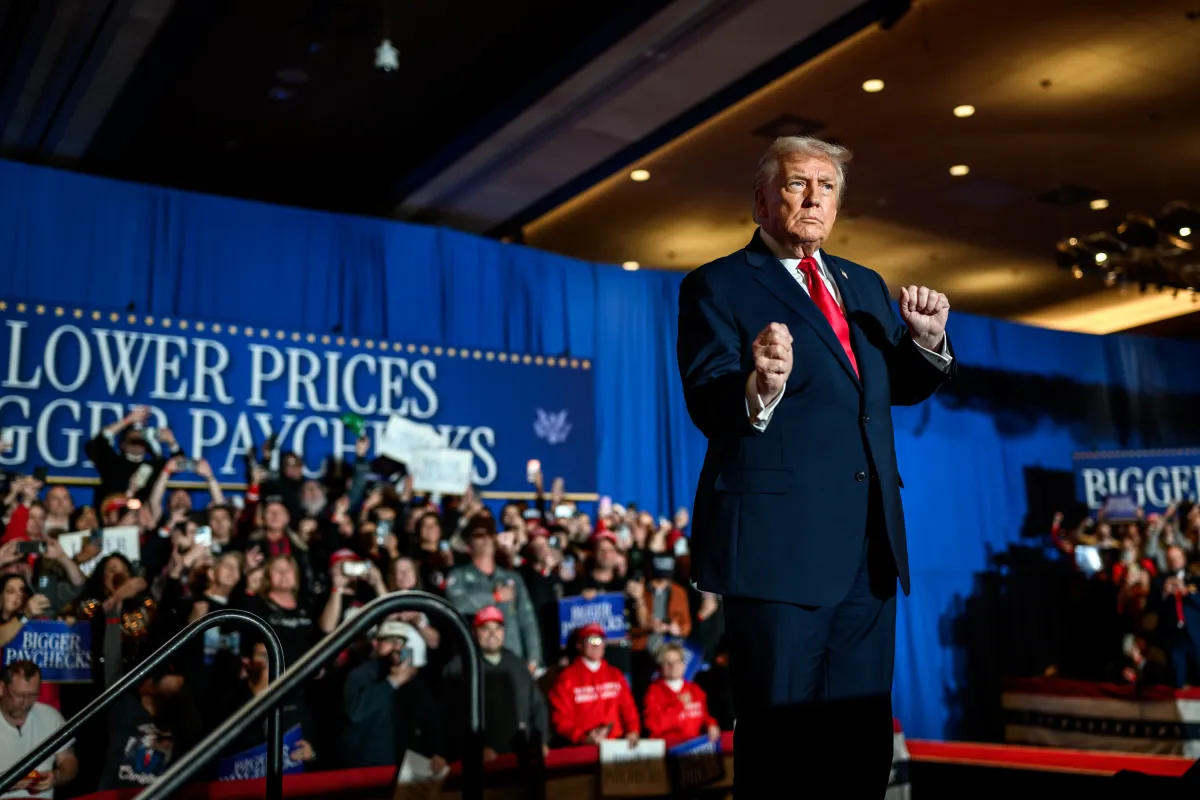
President Donald Trump broke with generations of tradition with his executive order last month to reclassify cannabis as a less dangerous drug under federal law.
But as Politico and recent polling pointed out, Trump also defied voters and lawmakers within the MAGA movement and the Republican Party, many of whom want to keep cannabis’ status quo intact.
Key lawmakers who begged Trump not to reschedule marijuana include House Speaker Mike Johnson of Louisiana; Wyoming Republican Sen. John Barasso, the majority whip; and U.S. Rep. Andy Harris of Maryland, chair of the far-right Freedom Caucus and key author of the House language banning hemp-derived THC.
Some observers have speculated that Trump embraced marijuana rescheduling as a way to entice voters ahead of November’s midterm elections.

But the feud touched off by Trump’s sop for cannabis could spell trouble for future reforms needed by the $32 billion legal cannabis industry, such as banking protections and revisiting the hemp THC ban.
Republicans turned off by marijuana rescheduling needed for banking reform
Trump’s historic Dec. 18 executive order directed the Justice Department to “take all necessary steps to complete” the redesignation of cannabis as a Schedule 3 controlled substance, down from Schedule 1, and to do so “in the most expeditious manner possible.”
It’s still unknown when cannabis might be officially reclassified, unlocking significant tax savings for plant-touching cannabis businesses that would no longer be subject to Internal Revenue Service Code section 280E.
As legal experts have told MJBizDaily, there is no official timeline – and opponents have vowed to sue to stop marijuana rescheduling.
What’s more, the rescheduling EO by itself won’t encourage banks to start offering services to plant-touching cannabis companies, observers have said. That will require Congress finally passing separate legislation, such as the SAFER Banking Act.
Wins like that need acts of Congress, where deadlocks on controversial topics such as cannabis reform have proved difficult to break.
Does MAGA like marijuana?
Congressional opponents of marijuana rescheduling also include federal lawmakers representing states firmly in Trump country. A total of 48 Republican lawmakers signed letters begging the president not to reschedule.
They also include key senators such as Wyoming Republican Sen. Cynthia Lummis.
Lummis was one of a handful of vital Republican senators to back marijuana banking. However, she also signed the Senate letter opposing marijuana rescheduling.
Trump’s executive order also opens the door for the White House to work with Congress to revisit the looming reclassification of hemp that would effectively ban most hemp-derived cannabinoid products currently on the market.
Subscribe to the MJBiz Factbook
Exclusive industry data and analysis to help you make informed business decisions and avoid costly missteps. All the facts, none of the hype.
What you will get:
- Monthly and quarterly updates, with new data & insights
- Financial forecasts + capital investment trends
- State-by-state guide to regulations, taxes & market opportunities
- Annual survey of cannabis businesses
- Consumer insights
- And more!
Republican voters have also signaled dissatisfaction with marijuana legalization. Only 40% of self-identified Republican voters said cannabis should be legal, according to a November Gallup poll, compared to 85% of Democrats and 66% of independents.
That’s down significantly from majority support as recently as two years ago, when federal health regulators found cannabis had medicinal value during the Biden-initiated marijuana rescheduling process.
Medical Disclaimer:
The information provided in these blog posts is intended for general informational and educational purposes only. It is not a substitute for professional medical advice, diagnosis, or treatment. Always seek the advice of your physician or other qualified healthcare provider with any questions you may have regarding a medical condition. The use of any information provided in these blog posts is solely at your own risk. The authors and the website do not recommend or endorse any specific products, treatments, or procedures mentioned. Reliance on any information in these blog posts is solely at your own discretion.