As an attorney, Riana Durrett could never ask a cannabis operator to break the law.
But there isn’t a better way to test the reading of the U.S. constitution that Durrett, the director of the University Nevada Las Vegas Cannabis Policy Institute, and other legal scholars suggest could be another way forward for the cannabis industry that doesn’t hinge on President Donald Trump rescheduling marijuana.
Or on federal prohibition argued before the Supreme Court for the first time in more than 20 years.
“I’m a believer in the dormant commerce clause arguments and that interstate commerce is no more illegal than intrastate commerce,” she added, referring to the language in the Constitution governing trade between the states – and the federal government’s ability to say what states can and can’t do.
“I think this is a dam that could break before legalization or rescheduling,” said Durrett, one of the featured speakers on a panel discussion scheduled for Thursday at MJBizCon.
‘Marijuana reform before legalization or rescheduling’
Joining Durrett for the panel discussion of peculiar interest to active operators unsure of how to plan for the ever-shifting future, “Charting a Profitable Path in an Era of Balkanized Cannabis Policy,” are:
The risk and reward of testing marijuana law
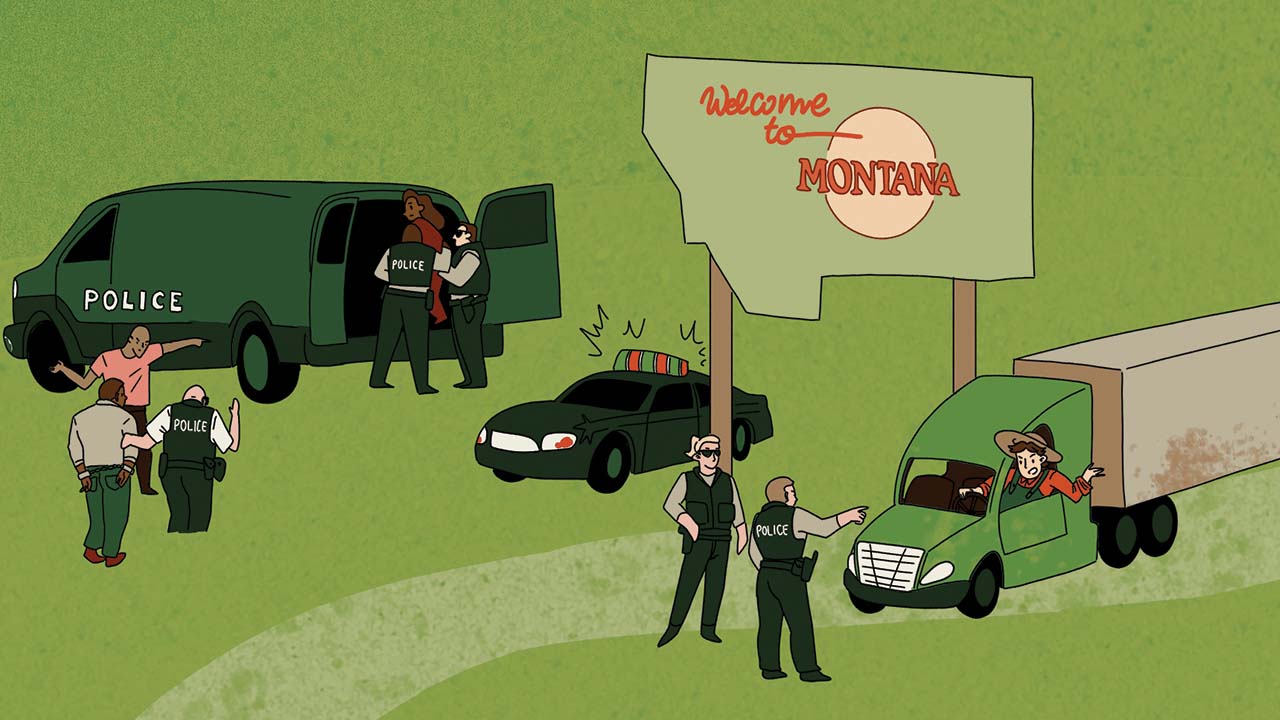
In theory, Congress has the sole right to regulate interstate commerce. And the courts have upheld that states can’t prohibit “protectionist measures” that discriminate against out-of-state residents.
Then again, Congress hasn’t legalized cannabis. So what’s to stop – legally speaking – an Oregon farmer from selling excess crop to a New York cannabis store, if both states allow the practice?
“I can see why states and operators don’t want to take the risk, but I think there’s a widespread belief that interstate commerce is a different crime or different level of crime than intrastate commerce,” she added.
“I would love to see these boundaries tested, but I understand there is too much to risk.”
Cannabis operators must make sense – and profit – out of balkanized policy
Regardless of their business or educational backgrounds, federal prohibition and the erratic patchwork of state laws mean many cannabis operators and investors across the industry have become by default experts in arcane points of law.
Translating that knowledge into a practical and actionable business plan is another matter – and making that business plan turn a profit is yet another entirely.
Some of the blame can be directed at the psychological warfare waged on the cannabis industry by the cycle of widespread public support for reform measures that neither Congress nor the White House can manage to implement.
“All operators need to anticipate that the current landscape could remain largely unchanged for years to come or could rapidly change,” she said.
That’s why Durrett is hopeful that President Donald Trump will downgrade cannabis’ status under federal law and reschedule marijuana, maybe even before the 2026 midterms.
But she isn’t planning on it – and she thinks operators shouldn’t, either.
Subscribe to the MJBiz Factbook
Exclusive industry data and analysis to help you make informed business decisions and avoid costly missteps. All the facts, none of the hype.
What you will get:
- Monthly and quarterly updates, with new data & insights
- Financial forecasts + capital investment trends
- State-by-state guide to regulations, taxes & market opportunities
- Annual survey of cannabis businesses
- Consumer insights
- And more!
What to do if marijuana rescheduling comes later
“I might be too skeptical, but I have fallen for convincing predictions that we are on the brink of a major change too many times,” she said.
“The people that say this are so convincing! I think it’s more likely we could get incremental changes.”
And incremental changes aren’t always game-changers. Take the yearslong process to legalize cannabis consumption lounges.
Massachusetts regulators are inching toward finally permitting operators to allow customers to consume onsite. That’s not likely to make the difference between profit and deficit, as the experience in Nevada demonstrates.
“Decisions about cannabis seem to ignore reality sometimes,” Durrett said.
“I think all operators need to anticipate that the current landscape could remain largely unchanged for years to come or could rapidly change.
“They need to be prepared for both, and they need to know that models could vastly change and the ones prepared to change will be the most successful.”
Chris Roberts can be reached at chris.roberts@mjbizdaily.com.
Medical Disclaimer:
The information provided in these blog posts is intended for general informational and educational purposes only. It is not a substitute for professional medical advice, diagnosis, or treatment. Always seek the advice of your physician or other qualified healthcare provider with any questions you may have regarding a medical condition. The use of any information provided in these blog posts is solely at your own risk. The authors and the website do not recommend or endorse any specific products, treatments, or procedures mentioned. Reliance on any information in these blog posts is solely at your own discretion.