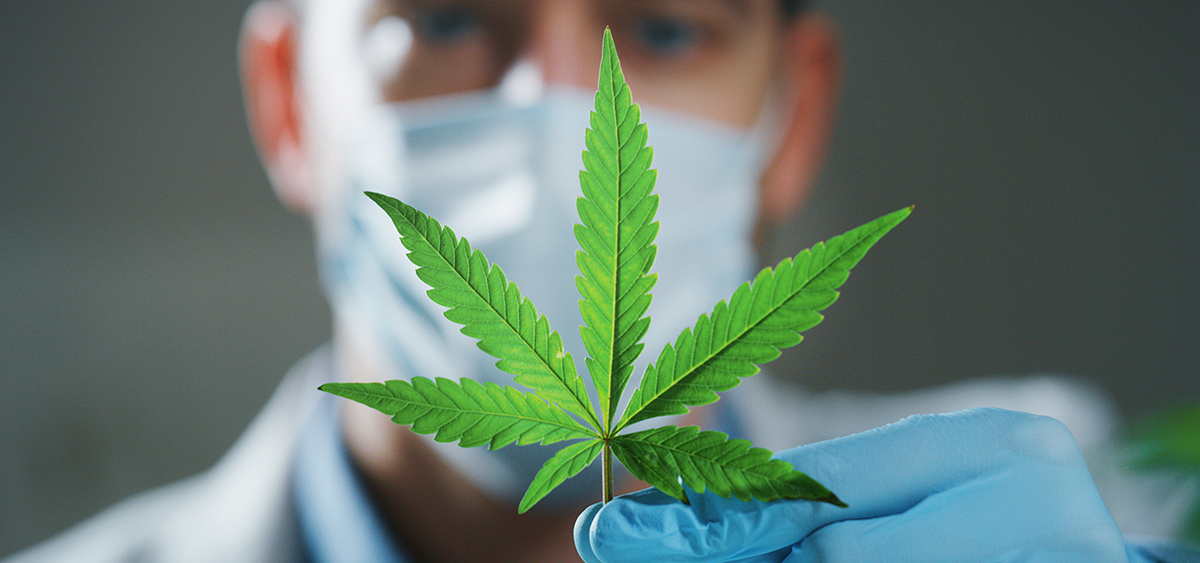
Cannabis cultivation in Brazil is now legal for the first time but under significant restrictions.
Health authorities will allow medical cannabis to be grown in South America’s most populous country for pharmaceutical and scientific purposes – but also on a limited basis by “patient associations,” according to Brasil de Fato.
Until now, cannabis has been available in Brazil only through imports.
The new allowance is “undoubtedly a major advance in Brazil’s national cannabis control policy,” attorney Erik Torquato told Brasil de Fato.

Is medical cannabis cultivation legal in Brazil?
The cultivation provision is part of new rules approved earlier this week by Anvisa, Brazil’s pharmaceutical ministry, to comply with a November 2024 court ruling directing the government to regulate cannabis growing.
That year, the national Superior Court of Justice ruled that national drug laws do not apply to cannabis cultivars with low levels of THC.
Adult-use cannabis is still illegal in Brazil.
According to Courthouse News, cannabis can be grown in Brazil legally in one of three ways:
- By private companies, as long as the plants adhere to a limit of no more than 0.3% THC
- By institutions conducting scientific research, with no THC limit
- By patient associations, which will be selected later and regulated by Anvisa, according to Courthouse News.
Brazil expands medical cannabis patient access
Patient associations are similar to the medical cannabis collectives that grew product in MMJ-only markets in the U.S. and Canada.
Anvisa is also expanding access to medical cannabis in Brazil. Formerly restricted to severely ill patients in palliative care situations, medical cannabis will now be available to patients with chronic diseases.
The agency will issue a later call for patient associations to apply for official cultivation permits.
Brazil will also allow imports of cannabis plant material or oil “for pharmaceutical production within Brazil,” Brasil de Fato reported.
Medical Disclaimer:
The information provided in these blog posts is intended for general informational and educational purposes only. It is not a substitute for professional medical advice, diagnosis, or treatment. Always seek the advice of your physician or other qualified healthcare provider with any questions you may have regarding a medical condition. The use of any information provided in these blog posts is solely at your own risk. The authors and the website do not recommend or endorse any specific products, treatments, or procedures mentioned. Reliance on any information in these blog posts is solely at your own discretion.