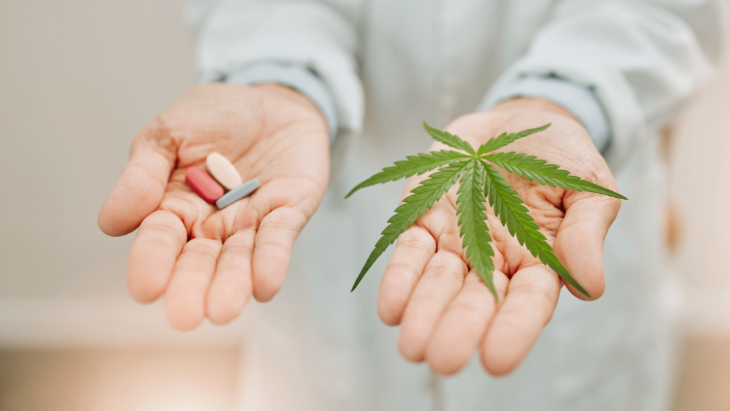

Chronic pain patients enrolled in New York’s medical cannabis access program reduce their use of prescription opioids, according to longitudinal data published in the Journal of the American Medical Association (JAMA) Internal Medicine.
Investigators affiliated with the Albert Einstein College of Medicine and Columbia University in New York assessed prescription opioid use over 18 months in a cohort of 204 chronic pain patients newly enrolled in the state’s medical marijuana access program.
Consistent with studies from other states, participants reduced their intake of prescription opioids following enrollment. Specifically, patients’ mean daily MME [morphine milliequivalents] was 22 percent lower at the completion of the study.
“This reduction is clinically significant and concordant with an emphasis on slow opioid dose reduction over years rather than quick cessation in patients with chronic pain,” the study’s authors concluded. “Our findings add to existing evidence that suggests that medical cannabis may be a substitute for prescription opioids in patients with chronic pain.”
Commenting on the data, NORML’s Deputy Director Paul Armentano said: “These findings add to the already robust evidence documenting the opioid-sparing effects of medical cannabis. Patients with legal access to cannabis products consistently reduce their use of opioids, as well as their use of sleep aids, anxiolytics, and many other prescription medications.”
The full text of the study, “Medical cannabis and opioid receipt among adults with chronic pain,” appears online in JAMA Internal Medicine. Additional information on cannabis substitution is available from the NORML Fact Sheet, ‘Relationship Between Marijuana and Opioids.’
Related
Medical Disclaimer:
The information provided in these blog posts is intended for general informational and educational purposes only. It is not a substitute for professional medical advice, diagnosis, or treatment. Always seek the advice of your physician or other qualified healthcare provider with any questions you may have regarding a medical condition. The use of any information provided in these blog posts is solely at your own risk. The authors and the website do not recommend or endorse any specific products, treatments, or procedures mentioned. Reliance on any information in these blog posts is solely at your own discretion.