This is the first in a regular series of MJBizDaily interviews with major THC industry players. To be considered for an interview, contact editorial@mjbizdaily.com.
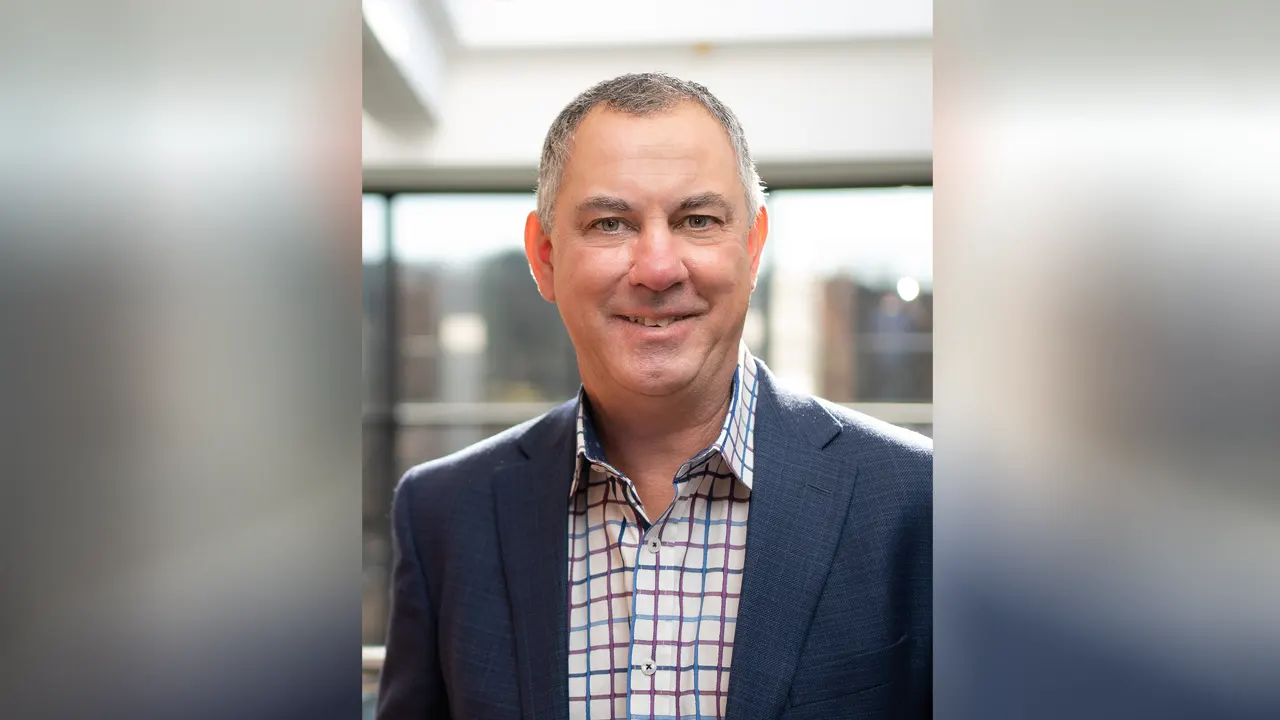
Seasoned cannabis executive Joe Bayern’s path into the legal marijuana industry didn’t start with a passion for the plant.
It began with water.
While chief operating officer at Voss Water in the late 2010s, he began scouting for new products. At the time, the “next big thing” was CBD. But as he looked deeper, he discovered a hidden world that traditional consumer packaged goods executives weren’t aware of: legal THC.

“I was never a big user, but I saw the potential of the marketplace,” Bayern told MJBizDaily.
Now, after a stint as president and chief executive officer of a major marijuana multistate operator, Bayern is attempting to bring several major cannabis brands out of receivership – and onto mainstream store shelves.
Joe Bayern’s c-suite journey from water to weed
Bayern, whose CPG experience includes serving in the C-suite during a major recovery at beverage giant Snapple, jumped from Voss to cannabis in 2019 to become president of Indus Holding Co.
During his tenure at the vertically integrated California operator, then in the startup phase, Indus raised $40 million before an IPO and subsequent acquisition spree.
From there, Bayern joined Curaleaf Holdings in December 2019, serving as president and then CEO, a position he held at the major marijuana multistate operator until May 2022.
In January, when Denver-based investment firm KEY Investment Partners took Colorado MSO BellRock Brands out of receivership, Bayern was tapped to lead the newly formed MM Brands, whose portfolio includes well-known names such as Mary’s Medicinals and Dixie Elixirs.
While market opportunity and a curiosity about how he could apply his CPG skill set to the emerging cannabis industry informed Bayern’s perspective, he claims the medical potential of cannabis has transformed him into a believer in the plant to see beyond profit.
“We need to continue to educate the consumer about cannabis and remove the stigma that’s associated with it,” Bayern said.
How cannabis can learn lessons of scale from CPG
Bayern said he will employ “culmination of all my experience” to lead MM Brands as federal marijuana rescheduling creates more opportunities.
His tenure at Curaleaf will serve as the foundation for his approach. Curaleaf was a lesson in rapid scaling, with the biggest takeaway being the art of delegation.
“If you’re going to grow at that pace, you have to trust the people that work for you,” Bayern said.
At the same time, Bayern believes the industry has a critical talent gap.
While cannabis attracts strong executives and enthusiastic entry-level workers, there is a shortage of middle managers with the experience to run complex supply chains and marketing groups to promote the brand.
“People think that it’s going to be easy to come in from CPG and take over a cannabis company, but it’s complex,” Bayern said.
The ideal candidate isn’t a corporate lifer, but an entrepreneurial spirit who understands structure.
Joe Bayern’s Day 2 model for marijuana companies: Asset-light and brand-focused
As he takes the helm of MM Brands, Bayern says he’s pivoting away from the industry’s obsession with cultivation footprint. The MSO model, focused on “land grabs” and first-mover advantage, has run its course, and those assets have become less valuable, he said.
His vision is what he calls the “Day 2 model.”
“It’s centered on asset-light, brand-focused growth,” he said. “We don’t have to grow cannabis.”
Instead, the goal is to build an omnichannel distribution platform. That’s a network that gets products into dispensaries, but also delivers revenue via direct-to-consumer channels – and, eventually, puts branded cannabis products into traditional retail outlets, such as pharmacies and convenience stores.
Cannabis science and research over reliance on THC potency
The key to the strategy is differentiation through science and using research to create functional products. He has the chance to put this into practice with the acquisition of Mary’s Medicinals, which Bayern views as a unique asset poised to become a truly national brand, using wellness to stand out.
“We’re not a flower or vape brand, but we have products that deliver and work for consumers,” he said. “We want to leverage that to address consumer needs across need states like sleep and depression.”
“It’s about science – it’s not just about growing the highest potency THC flower or getting the highest potency distillate.”
Drawing on his 25 years of beverage experience, Bayern is very bullish on THC beverages.
He predicts they eventually could capture up to 30% of the cannabis market as Gen Z rejects alcohol in favor of healthier alternatives. The alcohol-free movement, including everything from functional drinks and social tonics to non-alcoholic beer, is a massive economic force, expanding by 7% annually and projected to be worth nearly $2 trillion by the end of the decade.
“Cannabis is a much better alternative to alcohol,” he said. “Alcohol poisons your body. The fact that there even has to be a Dry January is a testament to the need for alternatives.”
Navigating the legislative maze
Tempering his optimism, Bayern said federal reform remains the cannabis industry’s biggest hurdle.
Cannabis’ potential move from Schedule 1 to Schedule 3, outlined in President Donald Trump’s Dec. 18 executive order, and Congress’ subsequent passage of further reforms such as the SAFER Banking Act will secure the industry’s future.
The industry needs legislative changes to remove capital restraints and allow for interstate commerce. And that shift that will likely favor larger players who can scale up and automate their operations, he said.
“Cannabis is going to be a $100 billion industry, and you need capital to get there,” he said.
Subscribe to the MJBiz Factbook
Exclusive industry data and analysis to help you make informed business decisions and avoid costly missteps. All the facts, none of the hype.
What you will get:
- Monthly and quarterly updates, with new data & insights
- Financial forecasts + capital investment trends
- State-by-state guide to regulations, taxes & market opportunities
- Annual survey of cannabis businesses
- Consumer insights
- And more!
For companies that get the model right, Bayern said there should be massive upside.
He envisions a future in which Walgreens and CVS stock their shelves with cannabis products recommended by physicians, just like mainstream pharmaceutical products.
“We’re here for a reason – to help improve people’s lives every day,” Bayern said. “If someone can figure out the right model, that will separate the winners from the losers.”
Margaret Jackson can be reached at margaret.jackson@mjbizdaily.com.
Medical Disclaimer:
The information provided in these blog posts is intended for general informational and educational purposes only. It is not a substitute for professional medical advice, diagnosis, or treatment. Always seek the advice of your physician or other qualified healthcare provider with any questions you may have regarding a medical condition. The use of any information provided in these blog posts is solely at your own risk. The authors and the website do not recommend or endorse any specific products, treatments, or procedures mentioned. Reliance on any information in these blog posts is solely at your own discretion.